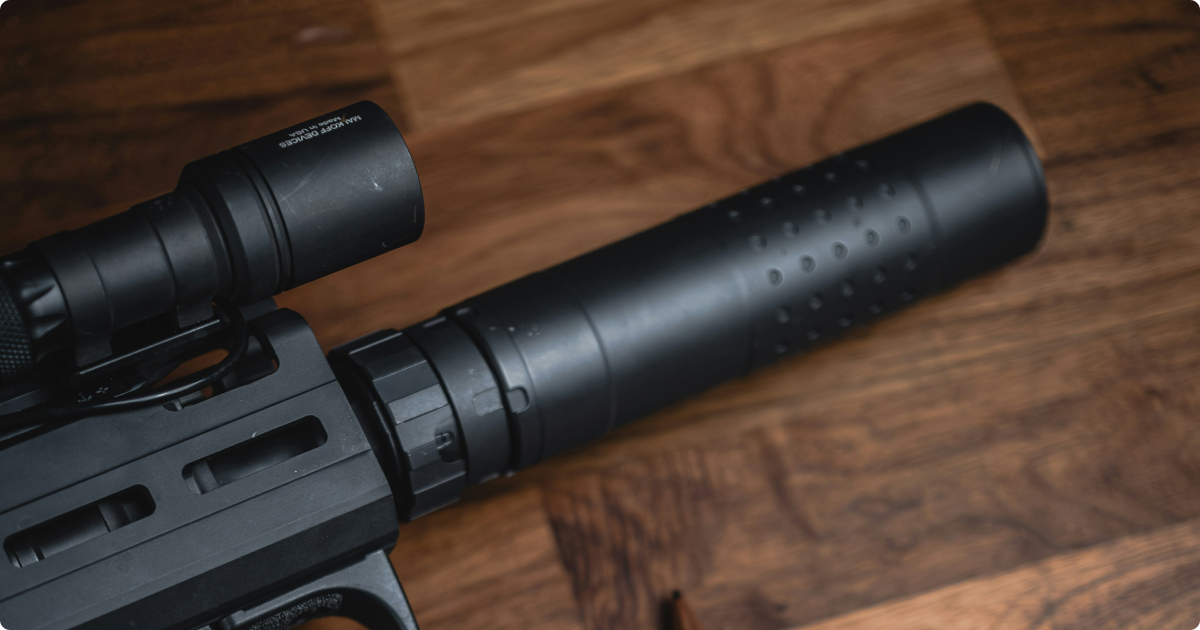
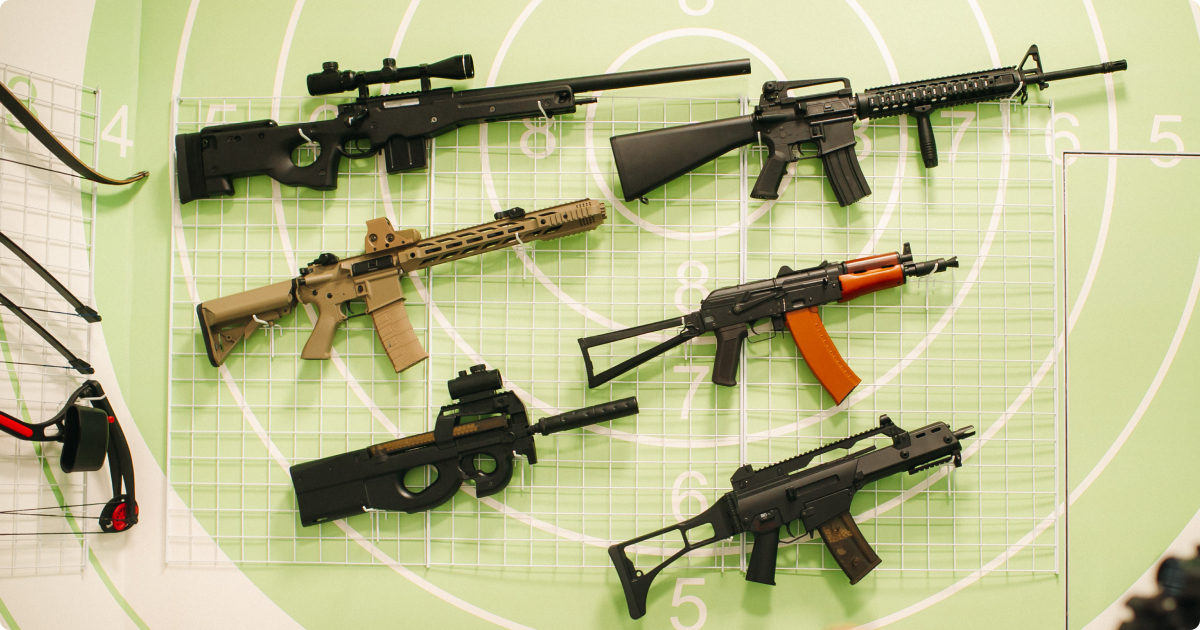
In the past, the process of owning a suppressor or a short-barreled rifle (SBR) meant paying the government an additional $200 tax stamp. This is now a thing of the past since changes are being brought forth.
Effective as of January 1st, 2026, the historical NFA tax stamp will be lowered to $0 for suppressors, short-barreled rifles (SBRs), short-barreled shotguns (SBSs), and AOWs. It is indeed one of the biggest changes to the National Firearms Act (NFA) rules since it was passed in 1934.
‘The process isn’t going away, but it’s huge that they took away the tax’: While the process in and of itself isn’t fading away, having to pay the NFA tax is no longer in your future. This is what it means to have to pay $0 NFA tax.
What was the NFA Tax Stamp, and its Importance?
The National Firearms Act was established in the 1930s for the regulation of some firearms and accessories. The law requires registration, background screening, as well as taxation. The $200 tax at the time of its implementation was very costly, as it is equivalent to many thousand dollars in current value.
Over time, though, the tax stamp became more about creating a financial barrier than anything else. Despite the fact that suppressors have found acceptance for their use in hearing protection devices, the tax rate for buying one remains the same that it was nearly 100 years ago.
What’s Changing in 2026?
From January 1, 2026, the government will waive the tax requirement for certain NFA regulated articles. This includes:
- Suppressors are no longer required to have a $200 tax stamp
- Short-Barreled Rifles (SBRs
- Short-barreled shotguns (SBSs)
- Any Other Weapons (AOWs) do not require a tax
It is important to mention that machine guns and destructive devices are excluded and would still cost a $200 tax stamp.
“For everyone else, this will immediately reduce the cost of ownership and eliminate one of the most frustrating barriers within the current NFA process.”
What Has NOT Changed (And This Is Important)?
Even though the tax is no longer there, you are still subject to the regulations of the NFA. Nothing is different, except that you are no longer paying a tax for that right.
Over time, though, the tax stamp became more about creating a financial barrier than anything else. Despite the fact that suppressors have found acceptance for their use in hearing protection devices, the tax rate for buying one remains the same that it was nearly 100 years ago.
For many gun owners, it was the $200 fee that was the hook that kept them from purchasing a suppressor and/or building an SBR.
Why is it huge for suppressor owners?
Suppressors have long been mistreated by misconceptions, much of it fed by movies and general misinformation. The truth is that suppressors are frequently used for:
- Ear protection
- Reduced recoil and muzzle blast
- Improve communication during filming.
- Safer training environments
Without the imposition of the $200 tax, suppressors become that much more available to the everyday shooter, hunter, and enthusiast who wants merely a safer, more enjoyable shooting experience.
This change also aligns U.S. suppressor policy more closely with their real-world purpose as safety equipment rather than novelty items.
Expect Higher Demand and Possible Delays
One of the side effects of the $0 NFA tax will be a rush of applications-in other words, more affordability, more interest, which equates to more volume the ATF is likely to see.
As a result, buyers should be prepared to:
- Longer approval wait time
- Increased demand for suppressors and SBR components
- Possible inventory shortages at dealerships
If you’re planning to buy, timing and patience will make all the difference.
Should You Apply Now or Wait?
That is going to depend on your priorities.
Application before January 1st, 2026
- You pay the $200 tax
- You may get approved more quickly before demand increases.
Waiting until 2026
- You save $200 an item.
- You may experience longer wait times due to increased applications.
Some buyers are taking advantage of dealer promotions that cover the cost of the tax stamp, so they can apply early without having to pay the fee out of pocket.
Why the NFA Tax Was Finally Removed
The removal of the tax is representative of a greater change in the way suppressors and SBRs are considered. Advocacy efforts stressed that the tax no longer fulfilled a decent regulatory function and served only to unnecessarily penalize lawful ownership.
Lawmakers took away the tax but kept in place background checks and registration, thereby lessening financial burden without ridding oversight altogether, a compromise many consider long overdue.
What This Means for the Future of NFA Firearms
The move to a zero-dollar National Firearms Act tax is a deal. We still have to deal with paperwork and waiting periods. The National Firearms Act tax is no longer a huge problem when it comes to money. The zero-dollar National Firearms Act tax is really going to make a difference.
For people who own guns, this means:
- Lower cost of entry
- Easier planning for multiple suppressors or builds
- Increased participation in suppressed shooting
- A more modern approach to firearm regulation
As 2026 approaches, staying informed and planning ahead will be key. Suppressors and SBRs are becoming more accessible than ever, and this change represents a meaningful step toward fair, responsible firearm ownership.